Community awareness

Information sessions

We provide free community awareness and education sessions throughout Queensland. We engage with seniors groups of all sizes, as well as workers from a range of disciplines and workplace settings. The EAPU is also present at various seniors expos and information events throughout the year.

Community awareness sessions

These sessions focus on giving older people an awareness of what elder abuse is, how to recognise the signs, and where to seek help. Awareness of the issue is an important protective factor for older people to stay safe themselves, as well as support others to get help.

Community education
sessions

These sessions are suitable for community workers from a wide range of backgrounds, such as nurses, social workers, hospital staff, aged care staff, TAFE and university students. They focus on developing an informed and skilled workforce that can play a role in preventing elder abuse. It assists workers to recognise elder abuse, support people safely, and connect them to appropriate services.

How to book?

To request a session, or to order brochures for your own event, you can contact us by phone on 1300 651 192 or +07 3867 2525, or by email at eapu@uccommunity.org.au

Community awareness sessions

These sessions focus on giving older people an awareness of what elder abuse is, how to recognise the signs, and where to seek help and information. Awareness of the issue is an important protective factor for older people in terms of preventing abuse and it makes seeking help significantly easier for people in the community.

Community education sessions

These sessions are targeted at community workers from a range of backgrounds such as nurses, social workers, hospital staff, aged care staff, TAFE and university students. They focus on developing an informed and skilled workforce that can play a role in preventing elder abuse. It assists workers to recognise elder abuse, support people safely, and connect them to appropriate services. It usually includes a description of how the Elder Abuse Prevention Unit supports its clients, as well as information about the types of services that exist in the local community and the roles they can play.

How to book?

Whatever your setting or group size, we are usually able to adapt to your needs. To request a session, or to order brochures for your own event, you can contact us by phone on 1300 651 192 or (07) 3867 2525, or by email at eapu@uccommunity.org.au

Projects – a statewide focus

The EAPU is a statewide service and part of our mandate is to reach out to regional, rural and remote communities to provide education and support and to build capacity in those communities to better support those experiencing elder abuse.

A current focus, through our partnership with the Department of Aboriginal and Torres Strait Islander Program, is undertaking a collaborative project in Mt Isa, Doomadgee and Mornington Island around “Keeping Seniors Safe”. 

EAPU has also been working with the Social Justice Interagency Services.

Our work in these communities is through invitation only and we respect the role of the local communities in developing working relationships and are guided by their needs.

Another area we are hoping to focus on in 2021 is the Western Downs area, including Dalby and Chinchilla.

Connecting statewide

The Elder Abuse Prevention Unit is committed to connecting with regional, rural and remote communities to provide awareness, education and to help build capacity for local elder abuse responses. 

We have previously worked in partnership with the Department of Aboriginal and Torres Strait Islander Program, to undertake a collaborative project in Mt Isa, Doomadgee and Mornington Island around the theme of “Keeping Seniors Safe”.

We recognise that our work in these communities is only possible through invitation, and we respect the role of local communities in developing working relationships that best suit them and are guided by their needs.

Ageing Diversity Project

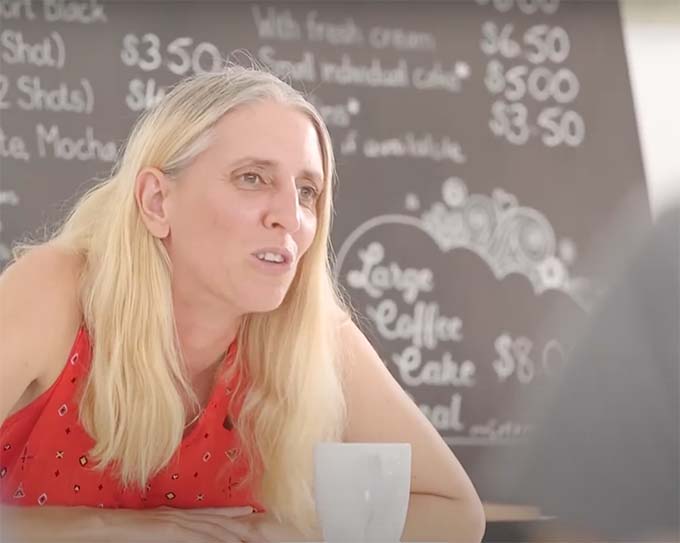
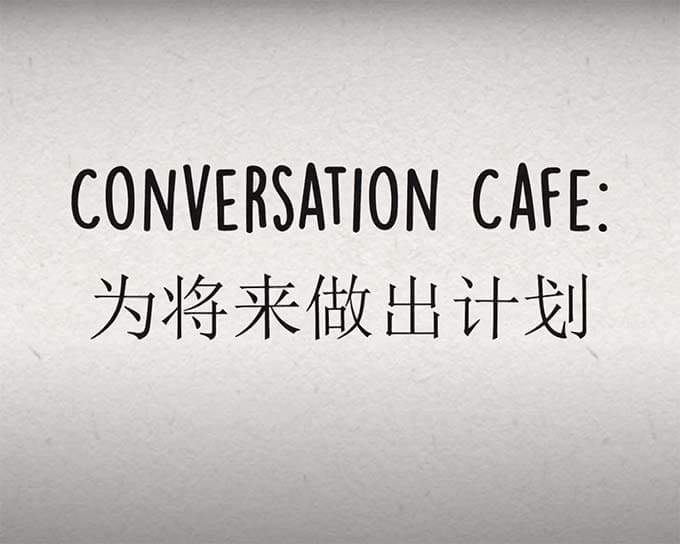
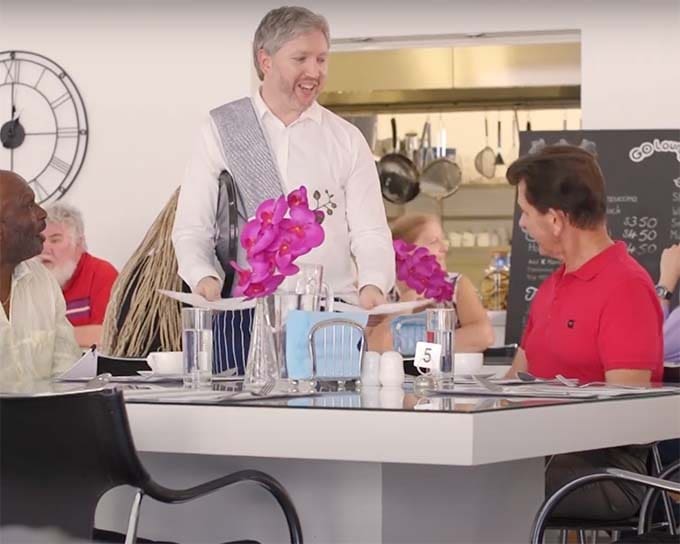
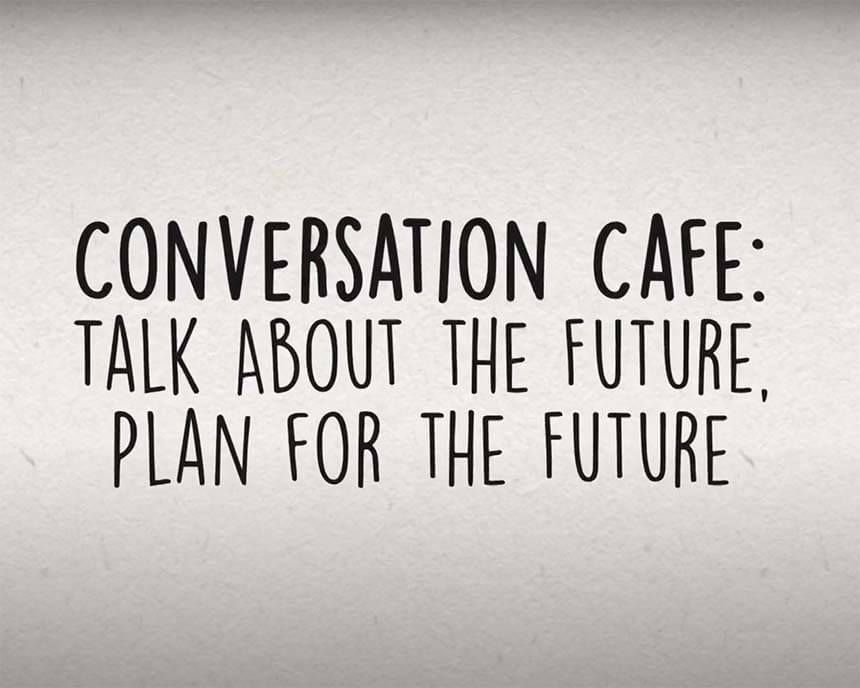
The Ageing Diversely videos were created to help normalise conversations about ‘planning for the future’ within culturally and linguistically diverse (CALD) communities. The videos touch on issues relating to family conflict and elder abuse, though the stories address these issues more subtlety. The videos have worked well to actively engage CALD communities around topics that work to prevent elder abuse and decrease the likelihood of unnecessary engagements with complicated Government and legal systems.

Thanks to the Public Trustee, The Queensland Government, CO.AS.IT, Cathay Community Association, Jeta Gardens and the many other services who supported the Conversation Café video series. A particular thank you to Multicultural Communities Council Gold Coast who also provided a magnificent filming location.

Playlist

8 Videos

Elder Abuse Response Panels

Responding to elder abuse can very often require contact with a range of Government and community services, which can make navigating the various systems difficult even for experienced professionals. Complex elder abuse cases can therefore be difficult to tackle alone. This has led to the formation of Elder Abuse Panels, which function to address complex elder abuse cases and work toward improving effective collaboration and communication across identified stakeholders.

The creation of regionally based Adult Safeguarding Networks has remained a key recommendation of the Queensland Office of the Public Advocate’s report: Adult Safeguarding in Queensland: Volume 2. Reform recommendations.

Currently there are response panels in the following areas:

  • North Brisbane.
  • Southern Downs (Toowoomba, Warrick, Stanthorpe & surrounds).


The group is for hospital, community or individual workers, who work with older people that may be experiencing elder abuse. It supports people to respond to issues surrounding elder abuse, navigate systems and support people with challenging and complex cases.

You can contact a coordinator by sending an email to:

As a group we have been able to:

Work collaboratively to better understand the needs of the older person who may be experiencing abuse.

Discuss ways to support that person.

Challenge our own views on ageism, capacity, dignity of risk and how to best support the safety of older people.

Service providers in the community, hospital or aged care setting can bring cases to the panel.

Elder Abuse Prevention Unit